
Between the Arafura Sea and the ancient stone country of the northern territory stretches Arnhem Land, one of australia’s most sacred and spectacular regions. This 97,000-square-kilometre wilderness is not simply a destination — it is a living cultural landscape shaped over 60,000 years by the Yolngu and other traditional owners.
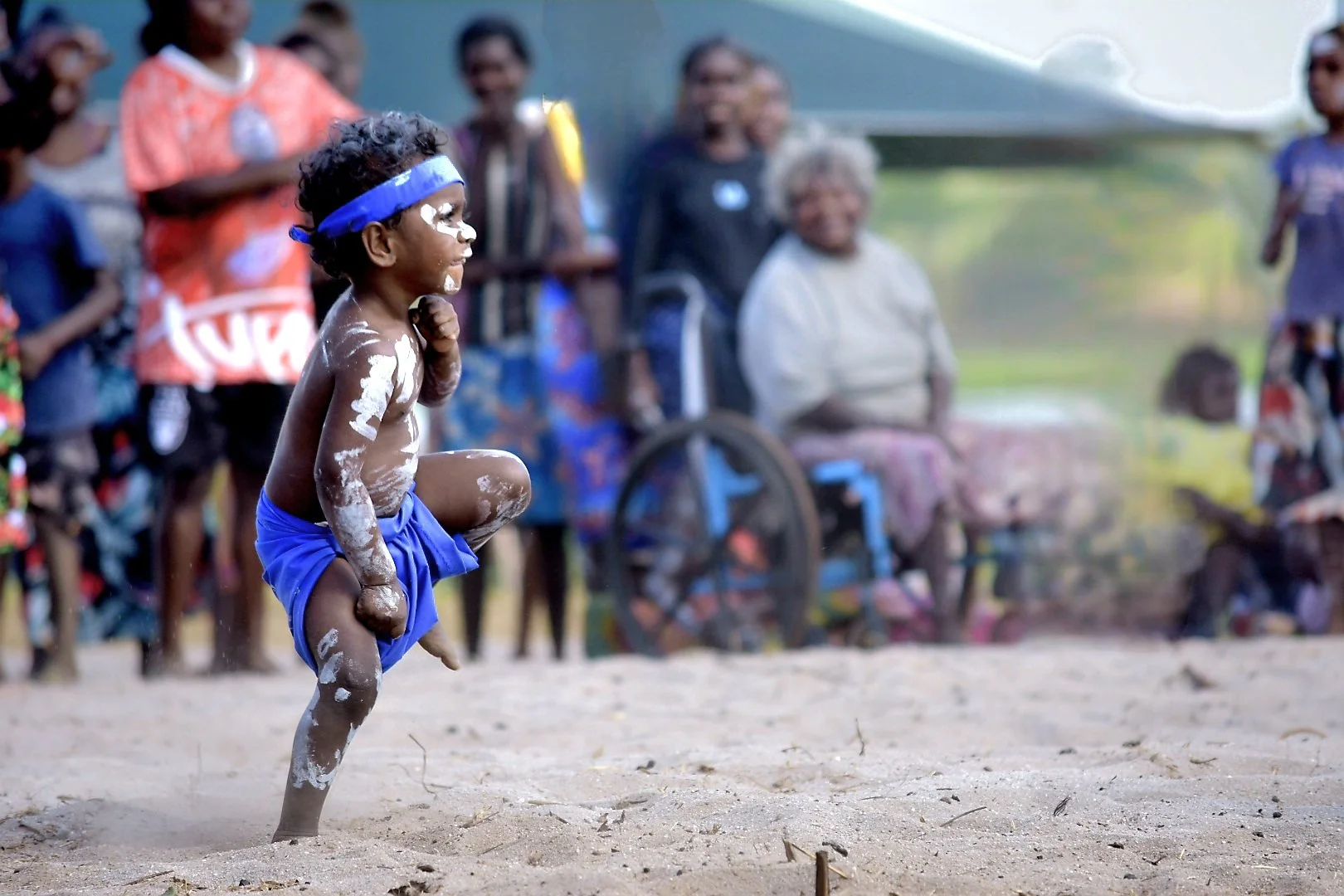
Access to arnhem land is different to most tourist regions. Permits are required, and visits are often arranged through guided experiences that respect cultural protocols and the wishes of land custodians. This means your journey is more than a sightseeing trip — it’s an invitation to connect with place, story and people in a way few other places in the world allow.
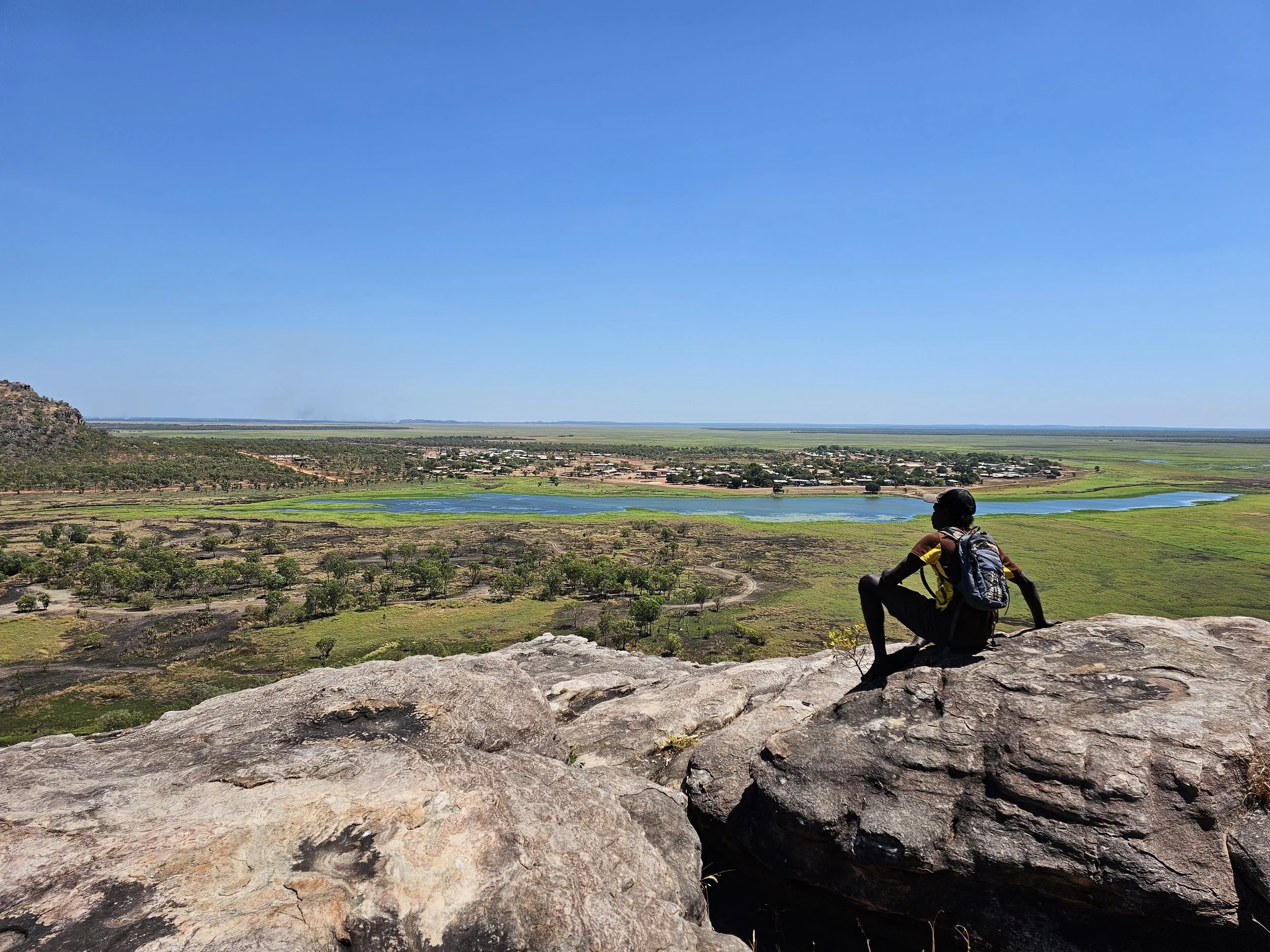
Travel begins with an understanding that this land works on its own terms: you may arrive by light aircraft from Darwin or Jabiru. Each route offers different perspectives of the land’s diversity, from rugged coastlines and remote beaches to rivers that teem with birdlife.
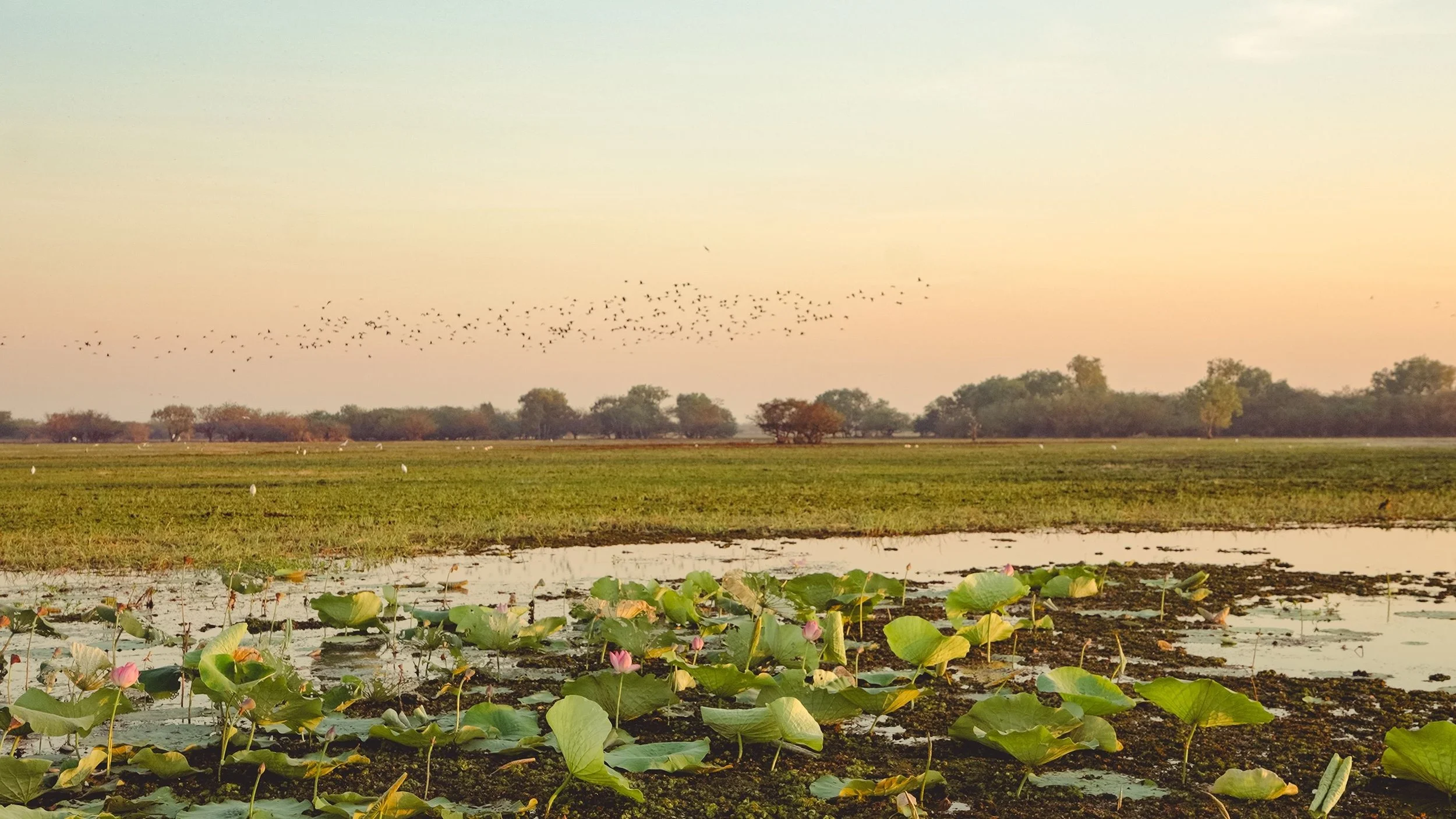
Birdlife on the Yellow Water Cruise
Arnhem land is home to one of the most significant concentrations of rock art anywhere in the world. Scattered across escarpments, shelters and sandstone overhangs are galleries that record tens of thousands of years of cultural knowledge, daily life, ceremony and belief. These artworks are not relics of a vanished past — they are part of a living cultural landscape, still deeply connected to the people who care for this country today.
Many of the most accessible and renowned sites sit near gunbalanya in western arnhem land, where visitors can explore rock art with permission and guidance from traditional owners. One of the most important locations is Injalak Hill, a sacred site that rises above the surrounding floodplains and holds hundreds of individual artworks across multiple galleries. Figures of humans, animals and ancestral beings appear alongside x-ray style depictions of fish and hunting scenes, revealing how people lived, ate and understood the world around them over millennia.
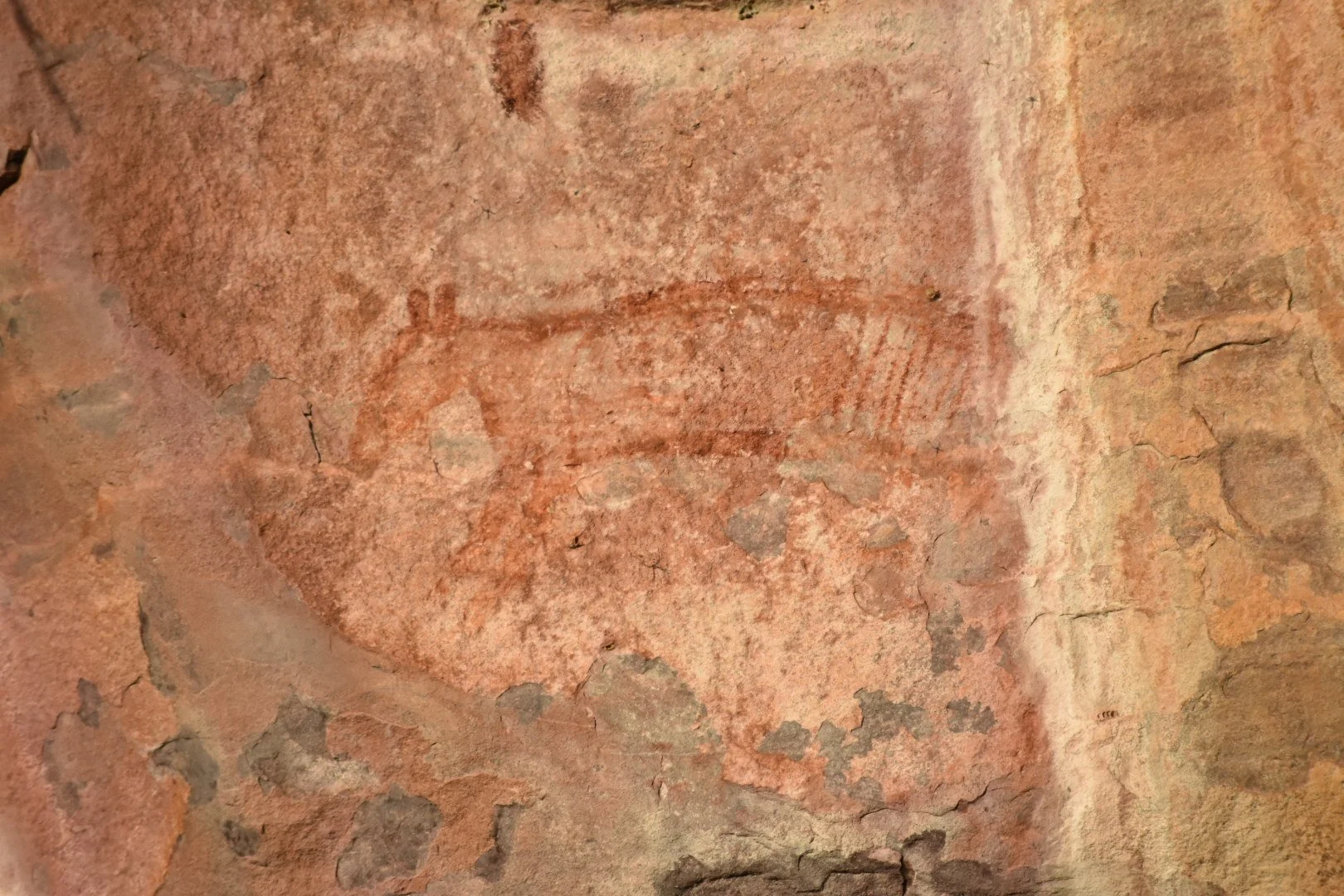
Ancient rock art